
Keeping Your Money Safe: Spotting Fake Emails and Messages


Table of Content
Gone are the days of standing in endless bank queues!
From internet banking to app banking, the times have sure changed. Online banking has brought convenience at our fingertips. OTP, UPI payments, online transactions are a part of our daily lives. Online transactions allow you to make purchases ranging from candy to a diamond set costing lakhs of rupees. It has simplified many financial tasks like banking and shopping.
However, the convenience of online financial transactions is accompanied by a risk of cyber financial fraud. Hackers, or online fraudsters find ways and means (commonly known as cyber financial fraud) to scam people and steal sensitive data and funds. Being aware of these frauds and adopting security measures is the best way to protect oneself.
The first step to protect yourself from scammers or hackers is to understand their methods to commit cyber financial fraud. Let us begin …
Understanding Cyber Financial Fraud
Cyber financial fraud comes in many forms, including phishing attacks, identity theft, online shopping scams, etc. Cybercriminals employ any of these tactics to breach cyber security and gain access to your personal data, with phishing scams being one of the most prevalent methods.
The purpose of this blog is to inform you about phishing attacks in the world of cyber-financial fraud. As we explore the ways hackers carry out phishing attacks, we'll also offer essential advice to ensure cyber safety.
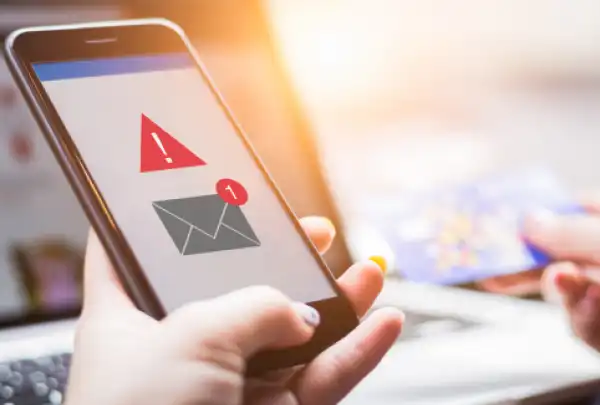
Phishing scams involve sending deceptive or fraudulent emails or sms and social media chat or conversation messages posing as legitimate entities, such as banks or financial institutions, intending to trick recipients into divulging sensitive information. Clicking on such malicious links or attachments in these communications can lead to access to your personal information and ultimately cause financial loss.
By remaining vigilant, you can minimise the risk of falling victim to online financial scams.
Cyber Fraud Prevention: Preventive Measures Against Phishing Scams
Following these steps can help safeguard your financial information and prevent possible fraud from phishing attacks:
- Stay Vigilant: It is always advised to check for fraudulent emails and messages thoroughly, especially those asking for immediate action or any sensitive information. You must be alert and watch out for signs of phishing like typographical errors, unknown sender addresses, or unusual requests for personal details. Think about it…after all why would unknow people or financial institutions want your banking details? Make sure you don't click on suspicious links or download attachments. You should never reply to any suspicious emails!
What can you do? Well, if you are not sure about the authenticity of an email or SMS or whatsapp message from your bank. You always have the option of calling the bank’s customer care service numbers, or contact your bank branch or visit the bank branch. - Verify Senders: Be a careful consumer and always double-check before clicking links or downloading files to ensure the sender is legitimate and stay phishing-aware. It must be noted that genuine organisations address you by name and offer contact information for verification. Whenever you find it uncertain, it would be wise to reach out to the organisation directly through official channels to confirm the authenticity of the message. Don’t simply trust unknown senders of emails & sms.
- Don't Click on Suspicious Links: Before clicking on any links that are received over fraudulent emails, SMS, or WhatsApp hover over the link with your mouse to see where they will take you. Do not click it in the first instance…simply roll the mouse cursor over the link. This hover will reveal the internet/ online link that the click will take you to. If the URL seems strange or questionable, don't click on it. It is therefore advised to type the website's address directly into your browser to visit the legitimate site of the bank or financial institution.
- Implement Multi-factor Authentication (MFA): To save yourself against hackers, you should set up MFA for important accounts and online transactions such as online banking or payment services. This is done to add an extra level of security. MFA will prompt you for additional verification, like a One Time Password (OTP) sent to your phone number registered with your bank. Before granting access, ensure cyber safety. OTP authentication is provided of banks and even other service providers. You should opt for OTP for banking and other services always.
- It's important to regularly update your computer, laptop, pad, cellphone’s operating system, web browser, and security software to prevent cyberattacks. Keeping your software up-to-date and patching known vulnerabilities is crucial in protecting your online access electronic devices.
- Knowledge and general awareness about phishing techniques and cyber security and fraud prevention measures to stay safe from cybercriminals. Many organisations also provide free resources and training materials to help individuals identify and avoid phishing scams.
Reporting Cyber Financial Fraud
While being cautious can help prevent cyber financial fraud, it is still possible to fall victim to such a scam. In such a situation, it is important to report promptly to minimise harm and possibly apprehend the scamster. If you notice any unusual activity or suspect you're a target of a phishing attack, report it right away to the authorities.
To report cybercrime or cyber financial fraud dial 1930 from any phone, you can contact the National Cyber Crime helpline at https://cybercrime.gov.in/
Additionally, reach out your bank's customer care service. DCB Bank customers can easily connect with Customer Care at 022-6899 7777, 040-6815 7777.
In a Nutshell
Stay vigilant, informed, and proactive. Simple and practical steps are paramount to safeguard oneself against cyber financial fraud.
Imagine your email, sms or chat to be the doorway to your home. The OTP, passwords, PIN, personal details are the keys to your home. Keep it secure and keep it to yourself, never share these details with anyone!
By understanding common tactics used by fraudsters, implementing fraud preventive measures, and reporting suspicious activity promptly, individuals can reduce their vulnerability to financial scams and enhance the security of their online dealings. Prioritise cyber security, it is key to protect oneself and foster a safe online environment for all.
Remember, it is important to always double-check the source of the email or message, and never give out your confidential information unless you are sure of the sender. Additionally, it is important to use strong passwords and multi-factor authentication whenever and wherever possible.
Stay Cyber Safe, Stay Secure!
Disclaimer
Information on the website is for informational purposes only and does not constitute financial advice. Readers are advised to consult financial professionals for personalized advice before making decisions. The information on this blog is subject to change without notice and may become obsolete. DCB Bank reserves the right to modify, update, or remove content at any time. Savings Account and Fixed Deposit Interest rates are subject to change without prior notice. DCB Bank shall not be responsible for any direct / indirect loss or liability incurred by the reader for taking any financial decision based on the contents and information mentioned in this blog. By accessing and using this blog, users agree to adhere to these terms and conditions. To read the complete disclaimer of DCB Bank, please click here















DCB Customer Care


Follow us on


Download DCB Mobile Banking App