

Do’s and Don’ts of Savings Bank Account Opening


Table of Content
Getting started with a banking relationship is a major step in the financial journey, and it is important to know the dos and don’ts while opening a bank account. If you’re about to open a bank account, there are several smart moves and common mistakes to keep in mind. On one hand, getting off to a good start means one can make the most of the bank account for financial growth. On the other hand, some oversights can cost time, money, or hassles.
Let’s walk through the dos and don’ts, then see how DCB Bank’s offerings can match up to your needs.
Do’s
1. Check the features and fees carefully
Any bank account will come with conditions: minimum balance, number of free transactions, ATM access, online banking capabilities, etc. Always check for “What are the bank’s fees?” and “Is there a minimum balance required?” before proceeding.
2. Compare interest on savings and account type
Since your account will always have some funds, the rate of interest your savings will earn, matters. At DCB Bank, the interest on its Savings Account varies depending on the account balance slab. While opening a Savings Account, it is important to know the applicable Savings Account interest rates.
Additionally, there are different types of Savings Accounts tailored to fit specific needs of the customers, and offers a variety of benefits and features. So, choose the account type which aligns to your financial goals.
3. Get your documentation and KYC ready
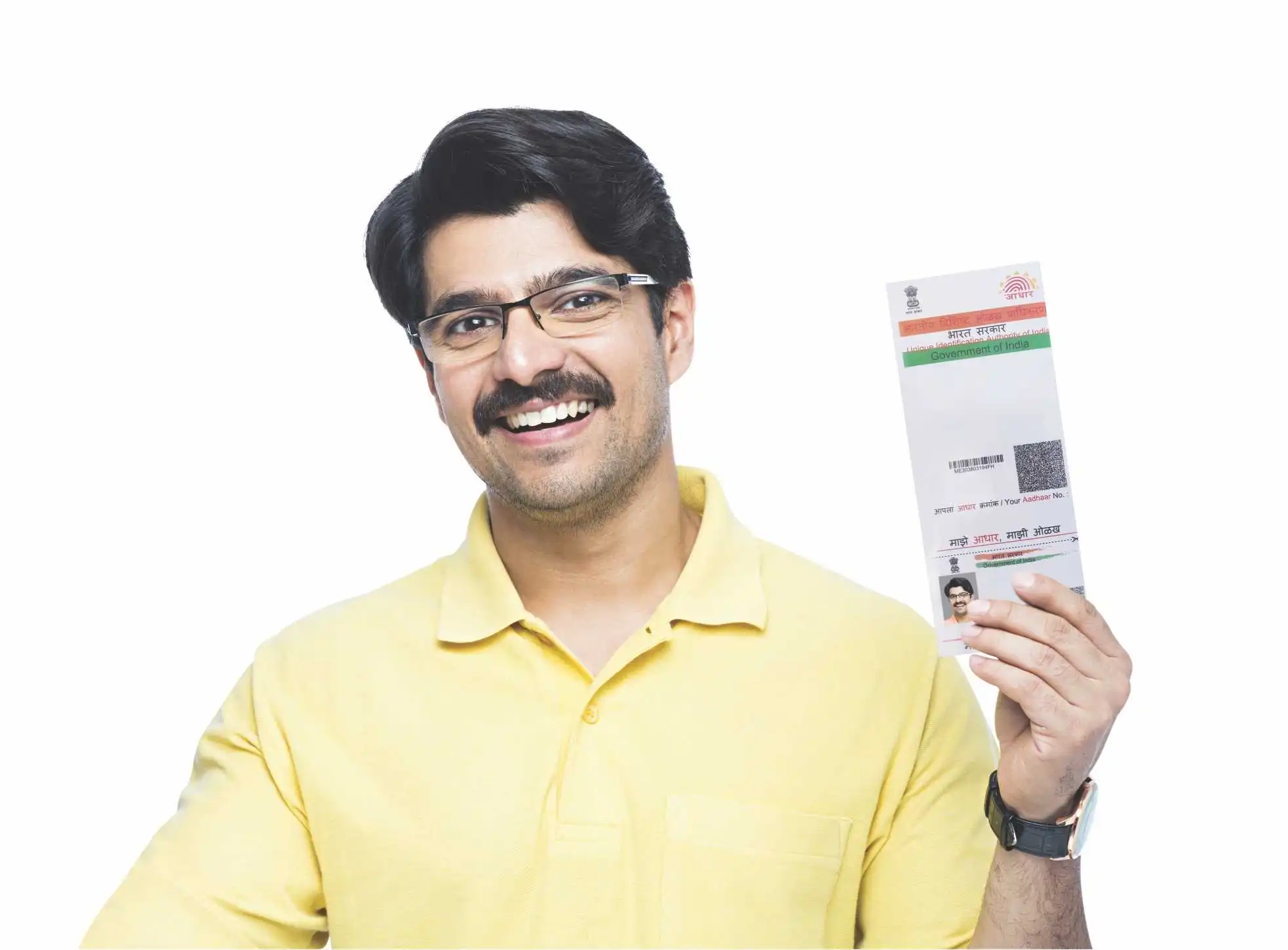
Depending on the type of account, banks are required under regulatory norms to verify identity, address, source of funds etc. before you can open an account. Being prepared with a valid ID, address proof, photographs and required documents helps minimise delay in account opening.
4. Follow RBI guidelines and provide accurate information
When you open a bank account, ensure to follow RBI guidelines by submitting complete and accurate identity and address proof documents, along with PAN or Form 60/61, as applicable. Providing correct information helps avoid delays or rejection during account opening.
5. Keep your contact details updated for transaction alerts
Always ensure your latest mobile number and email ID are registered with the bank so that important transaction alerts, security notifications, and account-related updates are received without interruption.
6. Decide the account type that fits you
Not all Savings Accounts are the same. Some may require higher balances or offer premium benefits; others might be aimed at basic banking with minimal requirements. At DCB Bank, there are different variants of Savings Accounts tailored to differing needs.
7. Read the terms and conditions and understand penalties
Avoid surprises by understanding what happens if the minimum account balance is not maintained, or if the “free” transaction limits are exceeded. All details of T&Cs are mentioned in the account opening form or the Bank’s website.
8. Choose convenience & access
If you expect to transact often via mobile, internet, or ATMs, ensure the bank provides a strong digital platform and a broad ATM/ branch network. A good banking experience is not just about interest or minimum balance, but about ease of banking.
Don’ts
1. Don’t ignore fees or minimum balance penalties
A high interest rate doesn’t help much if your money goes into maintenance or non-compliance charges. Do not skip reading the terms and conditions of the account, and hidden charges such as ATM withdrawal fees or non-maintenance of minimum account balance penalties.
2. Don’t share sensitive banking information with anyone
Never share your PIN, passwords, OTPs, or card details with anyone, even if they claim to be bank representatives. Banks will never ask for such details while opening a bank account or later.
3. Don’t submit incomplete or incorrect details in the application
Submitting incomplete, inaccurate, or mismatched information in the account opening form can delay or block your request to open a bank account successfully.
4. Don’t ignore the KYC process
Failure to complete or update the Know Your Customer (KYC) process may restrict transactions or lead to account suspension, even after the Savings Account is opened.
5. Don’t provide expired or invalid documents
Ensure that all identity and address proofs are submitted while opening the Savings Account are valid and up to date to avoid compliance issues.
6. Don’t proceed unless you understand the terms and conditions
Before you open a bank account, fully understand the applicable charges, minimum balance rules, and Savings Account interest rates to prevent future surprises.
7. Don’t assume all Savings Accounts are the same
Choosing the first savings account you see without comparing with other available variants may mean missing out on a better-fitting option. Differences may include minimum balance requirements, free transactions, cashback rewards, and other benefits.
8. Don’t delay updating contact details
If you move to a different address or there are changes in contact details, make sure to inform the bank. Failure to do so may affect communications, security alerts, or access to statements.
9. Don’t treat your account as “open and forget.”
Even after opening a bank account, you need to monitor activities, check the account transactions regularly, and ensure that the account benefits are on track as per your financial goals.
How does DCB Bank help you make a good start?
If you’re exploring options with DCB Bank, here’s how it addresses many of the key aspects above:
- The bank offers a range of Savings Account variants: from basic zero minimum balance options (BSBDA) to more premium ones.
- DCB Bank offers high Savings Account Interest rates.
- Clear information is available about minimum balances and benefits for different account types.
- Strong digital and branch banking support is available, making it easier to transact, monitor, and manage the bank account from anywhere.
Key reminders before you open an account:
- Ask: What is the minimum balance to be maintained? What is the Savings Account interest rate?
- Ensure to understand: Are there “free” ATM or branch transactions? What happens if account balance falls below the minimum balance?
- Choose the account type aligned with your usage: Will you operate the account occasionally or you frequently do UPI transactions, online debit card purchases, ATM withdrawals and so should choose a higher-benefit account?
- Keep the valid documents ready: this smooths the process for opening a bank account.
- Remember: Opening an account is just the start. Managing it responsibly results in getting the maximum value.
By following the guidelines above, you can avoid common mistakes and align the choices with actual financial habits and goals.
Open your DCB Savings Account today!
Disclaimer
Information on the website is for informational purposes only and does not constitute financial advice. Readers are advised to consult financial professionals for personalized advice before making decisions. The information on this blog is subject to change without notice and may become obsolete. DCB Bank reserves the right to modify, update, or remove content at any time. Savings Account and Fixed Deposit Interest rates are subject to change without prior notice. DCB Bank shall not be responsible for any direct / indirect loss or liability incurred by the reader for taking any financial decision based on the contents and information mentioned in this blog. By accessing and using this blog, users agree to adhere to these terms and conditions. For complete terms and conditions, please click here or to read the complete disclaimer of DCB Bank, please click here















DCB Customer Care


Follow us on


Download DCB Mobile Banking App