
Stay Safe from Quishing: Protect Against QR Code Scams


Table of Content
Now a days, QR codes have revolutionised payments, links, access portals and websites, exchange information. It is effortless to access information with the help of a simple QR code! However, with innovation comes risk, as cybercriminals continuously seek new ways to exploit unsuspecting individuals. Quishing is a rising form of cyber financial fraud. It involves the use of malicious or fake QR codes to trick individuals into revealing sensitive information or accessing fraudulent websites.
Through this blog, understand what Quishing is, how it works, and the steps to safeguard yourself, as it is essential to stay protected against this growing cyber threat.
What is Quishing?
QR codes are a short form of Quick Response codes. These are widely used for making payments, event check-ins and sharing information. However, Quishing—a type of cyber fraud—takes advantage of these convenient tools.
Quishing is a type of cyber fraud involving QR code phishing attacks. Cybercriminals embed malicious links within fake QR codes, leading users to phishing websites. When a victim scans a fake QR code, they may be directed to phishing websites, tricked into sharing personal information, or unknowingly initiating unauthorised financial transactions. Everyone must stay vigilant and cautious to avoid falling victim to these deceptive traps.
Real-World Examples of Quishing
Let’s understand Quishing with some real-world examples. Imagine going to a restaurant and instead of a physical menu, there is a QR code on the table. You might scan it, thinking it is linked to the menu, but if it’s a scam QR code, it can redirect you to a site asking for your card details to “pre-pay” for the meal. Stay alert of such threats which can further lead to your bank account being compromised if bank account credentials are entered.
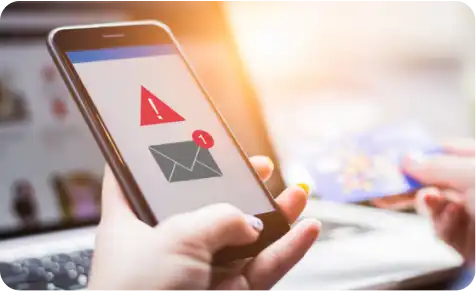
Or perhaps you receive an email from what looks like your bank, asking you to scan a QR code to verify your account. Without realising it, you have shared your log in credentials with fraudsters.
How does a QR code phishing attack work?
Quishing attacks are on the rise, turning seemingly harmless QR codes into tools for cyber deception. Let’s understand how it works:
● Creating a Fake QR Code: Scammers create fake QR codes that look genuine, often placed on posters, emails, or messages.
● Redirecting to Fake Sites: When scanned, these codes lead to malicious websites designed to steal login credentials or sensitive information.
● Unauthorised Payments: In some cases, users may unknowingly transfer funds to fraudulent accounts.
● Data Theft: Personal and financial details can be stolen, leading to further cyber-financial fraud.
Why is Quishing dangerous?
Quishing attacks are particularly dangerous, and here’s why: After scanning the QR code, if you take an additional step to enter your credentials in the phishing or maliciously hosted web page form or install an app which is asked to be installed, then scammers can gain access to your sensitive information.
The consequences can be—financial loss or leak of sensitive data and information. It’s alarming how easily this can happen, and it’s a reminder of how important it is to stay vigilant!
How to stay safe from Quishing: Quick tips to protect yourself
- Verify the Source: Always check where or who is sharing the QR code with you. If it is from an unknown message or email, do not scan it.
- Use Secure Scanners: Choose apps that alert you about suspicious links, and make sure your security software is active.
- Be Cautious with Payments: Only scan QR codes from trusted businesses or payment platforms. Avoid random codes on posters or public spaces.
- Double-check URLs: After scanning, when you get the pop-up of the website embedded in the QR code, check the authenticity of the website address. If it looks unfamiliar, do not open the website or enter any sensitive information.
- Keep Your Device Secure: Update your security software regularly and avoid jailbreaking ie. removing software restrictions imposed by the operating system of your phone to stay safe from malware.
- Spread the Word: Keep yourself updated about Quishing scam, spread the awareness on cyber threats with people around and stay updated on cyber fraud prevention.
- Trust your Instincts: If it feels unsafe, do not proceed. It is better to be safe than sorry!
What to do if you fall victim to Quishing?
- Report out the Scam Immediately: Contact your bank or financial institution to freeze your accounts and prevent any further loss.
DCB Bank customers can easily and quickly connect with Customer Care at 022-6899 7777, 040-6815 7777. - File a Complaint: Report the incident to the cybercrime department or relevant authorities to help investigate and stop further attacks.
To report cybercrime or cyber financial fraud, dial 1930 from any phone, you can contact the National Cyber Crime helpline at https://cybercrime.gov.in/ - Change Your Passwords: Update your banking and email passwords right away to secure your accounts.
- Monitor Your Accounts: Keep a close watch on your bank and credit and debit card statements for any unauthorized transactions.
Remember: DCB Bank will never ask you to scan a QR code to verify your account or share sensitive information.
Final Thoughts
While QR codes are convenient and efficient, they come with risks if they are not used cautiously. Staying vigilant, understanding what Quishing is, and practicing cyber fraud prevention methods is essential for safe digital interactions.
At DCB Bank, we are committed to helping you enjoy secure online transactions. Together, let’s stay ahead of scammers and protect the hard-earned money.
Stay informed, stay alert and stay safe from Quishing!
Stay Cyber Safe, Stay Secure!
Disclaimer
Information on the website is for informational purposes only and does not constitute financial advice. Readers are advised to consult financial professionals for personalized advice before making decisions. The information on this blog is subject to change without notice and may become obsolete. DCB Bank reserves the right to modify, update, or remove content at any time. Savings Account and Fixed Deposit Interest rates are subject to change without prior notice. DCB Bank shall not be responsible for any direct / indirect loss or liability incurred by the reader for taking any financial decision based on the contents and information mentioned in this blog. By accessing and using this blog, users agree to adhere to these terms and conditions. To read the complete disclaimer of DCB Bank, please click here















DCB Customer Care


Follow us on


Download DCB Mobile Banking App